The Second Life of Site Infrastructure: A Reuse Standard for US Programs
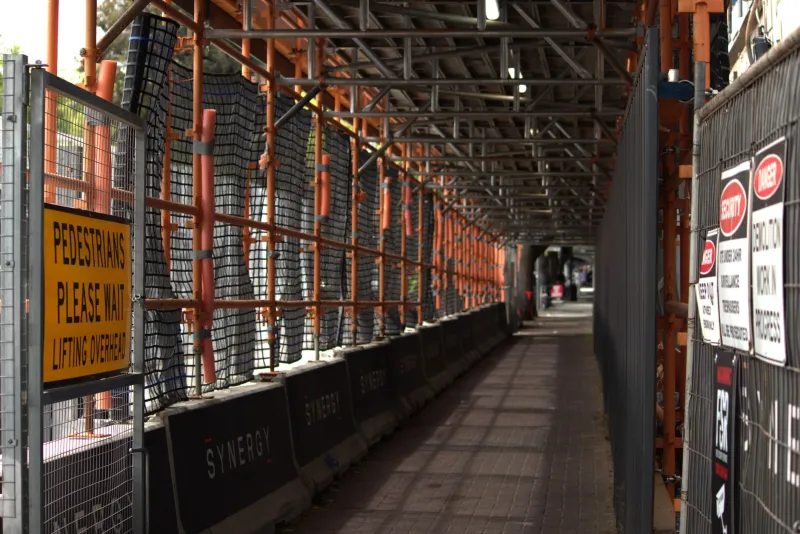
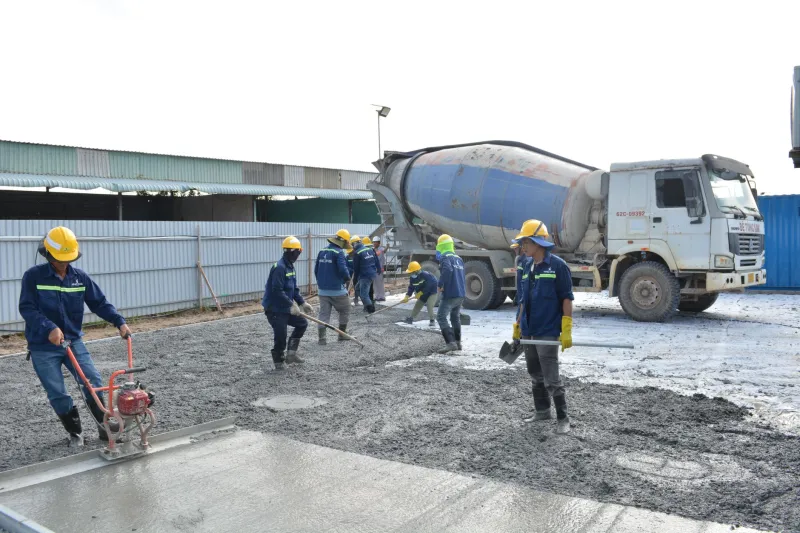
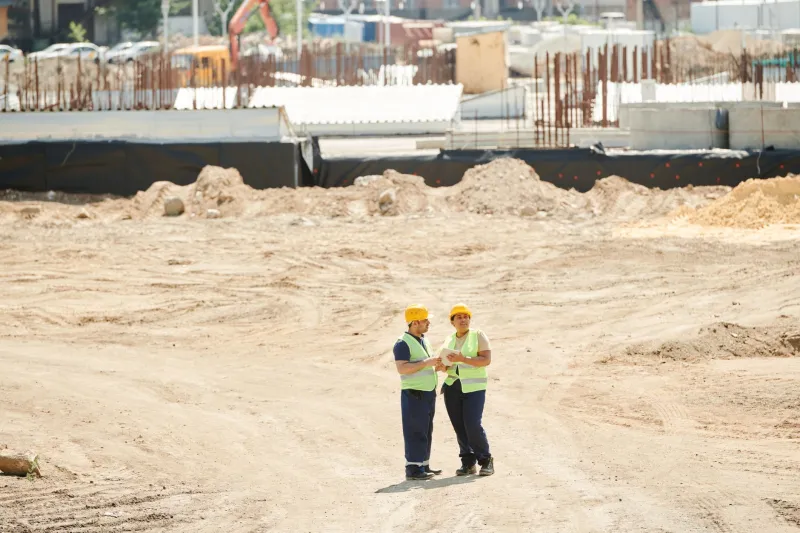
US infrastructure programs are good at planning permanent assets. They are considerably less disciplined about the temporary infrastructure that makes those assets possible. Access roads, temporary bridges, site power distribution, formwork systems, and fencing are often procured project by project, used for a season or two, and then abandoned, sold at salvage, or left to deteriorate. When the next job is a few hundred miles away, the same program may buy the same categories again. This is not a failure of engineering. It is a gap in portfolio policy.
Temporary works are treated as consumables
The root cause is contractual and cultural. Temporary works are usually folded into a contractor's means and methods, priced as a project cost, and forgotten once the ribbon is cut. The owner sees them as the contractor's problem; the contractor sees them as sunk cost. Neither party has a strong incentive to design for reuse, track condition, or move assets between jobs. The result is predictable: duplicated purchases, avoidable carbon, and a missed opportunity to shorten mobilization on the next project.
A portfolio-level reuse standard would change that calculation. It would begin with a simple inventory: what temporary assets does the program already own or control, where are they, and what condition are they in? Access roads can be designed as removable or upgradable rather than permanent liabilities. Temporary bridges can be specified with standardized spans and connections. Site power distribution can use modular skids and quick-connect interfaces. Formwork can be selected for compatibility across structures. Fencing can be panelized and catalogued.
Design for reuse, not just for the first site
The most important policy lever is design. Too many temporary works are designed for one site with no thought to the next. A temporary access road built with local fill and no drainage may be cheap on day one and unusable after a wet season. A temporary bridge fabricated for a specific span may have no value elsewhere. A formwork system chosen for one bridge type may sit idle on the next.
Owners can change this by writing reuse requirements into design scopes. For major programs, temporary works above a defined threshold should include a reuse assessment: expected service life, disassembly method, transportability, standardization opportunities, and residual value. Designers should be asked to document how the asset could be recovered and redeployed. That does not mean every temporary asset must be reused. It means the decision to discard should be deliberate, not automatic.
Track assets across the program
Reuse depends on visibility. A program that cannot locate its temporary bridges, generators, or formwork panels cannot redeploy them. Asset tracking does not require elaborate technology. A simple registry with unique identifiers, condition ratings, location, ownership, and availability dates would give program managers the information they need to match supply with demand. Barcode or RFID tagging can help, but the policy matters more than the platform.
The registry should be maintained by the program office, not left to individual project teams. That central ownership is important because project teams are rewarded for delivering their own scope, not for optimizing across the portfolio. A program-level asset manager can see that a temporary bridge finishing service in one district is needed six months later in another and can coordinate transfer before it is demobilized.
Use contracts to reward reuse
Contractual incentives are the missing link. If contractors are paid only for what they install on their own project, they have little reason to accept a used asset or design for recovery. Owners can adjust by allowing qualified reused temporary works to count toward bid credits, by including reuse options in specifications, or by structuring separate procurement for program-owned temporary assets that are leased to projects.
There is also a risk-allocation question. A contractor may be reluctant to use a reused temporary bridge if its condition is uncertain. The owner can address that by maintaining inspection records, providing warranties for program-owned assets, or requiring third-party condition assessments before redeployment. Clear standards for inspection and acceptance are essential; reuse should not mean accepting unknown risk.
The cost and carbon case
The financial case is straightforward. Temporary works are often a meaningful share of construction cost, especially on linear projects such as highways, pipelines, and transmission corridors. Reusing access roads, bridging, and power distribution can reduce direct purchase costs, shorten mobilization, and avoid disposal costs. The savings vary by asset class, but the principle is consistent: a program that plans reuse gets more value from the same spend.
The carbon case is equally clear. Steel, concrete, and engineered timber carry embodied emissions. Extending the service life of temporary assets avoids new production and transport. For US programs with sustainability commitments, temporary works are an unglamorous but material part of the footprint. Reuse also reduces site disturbance and waste, which can ease permitting and community relations.
A practical policy sequence
A reuse standard does not need to begin as a sweeping mandate. A sensible sequence is: first, inventory existing temporary assets across active and recently completed projects; second, require reuse assessments for new temporary works above a threshold; third, establish a program-level registry and transfer process; fourth, pilot contractual incentives on two or three projects; and fifth, review results and adjust the standard.
None of this requires new engineering science. It requires the same portfolio discipline that owners already apply to permanent assets. Temporary works are infrastructure too. Treating them as a strategic asset rather than a disposable cost is a small policy shift with a long operational tail.