Saudi Binladin Group Engineering the future of infrastructure

Saudi Binladin Group

Engineering the future of infrastructure

Latest Articles

The Hold-Point Ledger: Planning Special Inspections as a Finite Delivery Resource
Program Delivery

The Hold-Point Ledger: Planning Special Inspections as a Finite Delivery Resource

US projects routinely treat code-mandated special inspections as administrative checkboxes until inspector availability and lab turnaround collide with structural milestones. This article argues that hold points, testing capacity, and jurisdiction staffing belong in the pre-bid schedule as finite delivery resources, not post-award surprises.
No Crane, No Critical Path: Making Heavy-Lift Capacity a Pre-Bid Control
Program Delivery

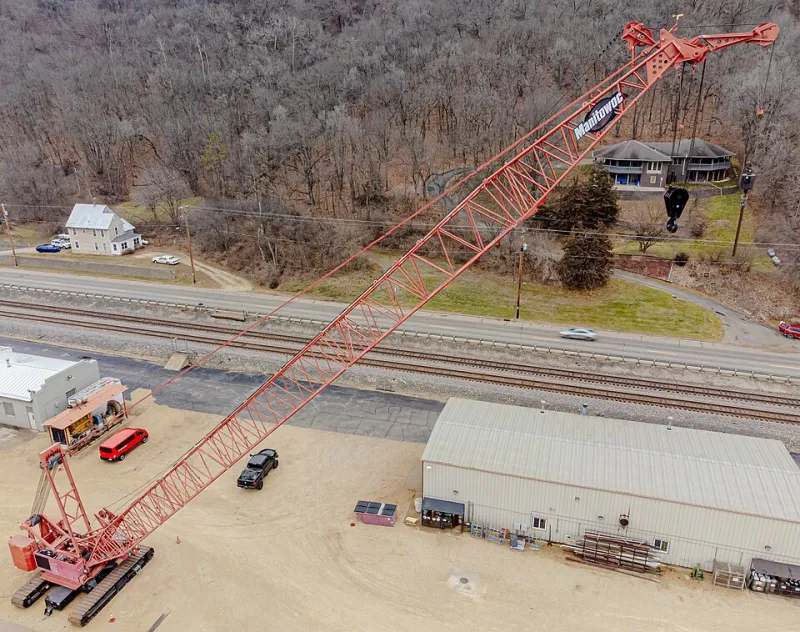
No Crane, No Critical Path: Making Heavy-Lift Capacity a Pre-Bid Control

US project teams routinely price steel, concrete, and surety at bid stage while leaving heavy-lift cranes to the construction phase. That sequencing mistake can turn crane class, assembly space, permit windows, and certified crews into the real critical path. This article outlines a pre-bid discipline for treating heavy-lift capacity as a project control.

When the Thermometer Sets the Sequence: Heat-Adjusted Scheduling for US Infrastructure
Program Delivery

When the Thermometer Sets the Sequence: Heat-Adjusted Scheduling for US Infrastructure

Longer and hotter construction seasons are changing how US infrastructure programs must be planned. This article argues for treating extreme heat as a scheduling constraint with defined thresholds, contract language, and productivity allowances—not as an after-the-fact weather exception.

Yield Rates, Not Deadlines: Scheduling Entitlement as a Production Trade
Program Delivery

Yield Rates, Not Deadlines: Scheduling Entitlement as a Production Trade

Most US infrastructure schedules still draw permitting as a single shaded bar between award and notice to proceed, then treat its overrun as an act of weather. Entitlement work has durations, dependencies, queues, and rework rates like any other trade — and it deserves the same production modeling. This article sets out a practical framework for pre-filing readiness gates, yield-rate tracking, and earned-value discipline on the approval path.

Underwriting the Schedule: Reading Surety Appetite as a Delivery Constraint
Program Delivery

Underwriting the Schedule: Reading Surety Appetite as a Delivery Constraint

Bonding is routinely handled as a compliance artifact at award, yet underwriting capacity now shapes which firms can bid, how work is packaged, and when shovels actually move. This article argues that surety appetite deserves a line on the risk register alongside labor, materials, and subsurface conditions.

Mill Certificates and Milestones: Putting Domestic-Content Risk on the Pre-Bid Schedule
Program Delivery

Mill Certificates and Milestones: Putting Domestic-Content Risk on the Pre-Bid Schedule

Federal infrastructure dollars now carry domestic-content tests that reach deep into fabricated products and sub-tier suppliers. A pre-bid compliance schedule—supplier qualification, waiver sequencing, and realistic fabrication buffers—can keep Buy America from becoming the critical path on US programs.

The Unseen Substructure: Putting Cyber Readiness on the US Project Delivery Clock
Program Delivery

The Unseen Substructure: Putting Cyber Readiness on the US Project Delivery Clock

Connected equipment, cloud-based controls, and vendor remote access have made cybersecurity a construction delivery risk, not a back-office concern. US owners and contractors need a practical baseline that places cyber readiness alongside safety, schedule, and commissioning reviews.

Ground Truth in the Fine Print: Allocating Subsurface Risk in US Tunnel Bids
Program Delivery

Ground Truth in the Fine Print: Allocating Subsurface Risk in US Tunnel Bids

US underground programs often treat geotechnical investigation as a pre-design formality, then let bidders absorb the consequences of ambiguous ground information. A Geotechnical Baseline Report, phased borehole programs, and clear differing-site-condition language can turn subsurface uncertainty into a priced contract variable before award.

Before the First Trench: Making Utility Risk a First-Class Schedule Variable
Program Delivery

Before the First Trench: Making Utility Risk a First-Class Schedule Variable

US infrastructure schedules frequently fail below grade because utility relocation is treated as a permitting formality rather than a modeled delivery risk. This article outlines a practical framework for using subsurface utility engineering, early contractor involvement, and clear risk ownership to protect programs before mobilization in 2026.

The Aggregate Blind Spot: Why Material Basins Belong in Early Project Controls
Program Delivery

The Aggregate Blind Spot: Why Material Basins Belong in Early Project Controls

Aggregate supply is often treated as a construction-phase commodity, yet quarry permitting, rail capacity, and basin geography can set the real start date for US public works. Owners and contractors need to map supply basins, qualify alternates, and embed material resilience into design and procurement before mobilization.

The Second Life of Site Infrastructure: A Reuse Standard for US Programs
Opinion & Policy

The Second Life of Site Infrastructure: A Reuse Standard for US Programs

Access roads, temporary bridges, site power distribution, formwork, and fencing are routinely bought for one megaproject and left behind at completion. A portfolio-level reuse standard would treat temporary works as a strategic asset, with design-for-reuse requirements, tracking, and contractual incentives that lower cost and carbon across US infrastructure programs.

Escalation Is a Bid Line, Not an Asterisk: Rebuilding Public-Works Bid Evaluation for Material Volatility
Opinion & Policy

Escalation Is a Bid Line, Not an Asterisk: Rebuilding Public-Works Bid Evaluation for Material Volatility

Low-bid procurement still compares contractors on a single day's pricing while material volatility, supplier capacity, and escalation exposure quietly decide whether the job finishes on time. A risk-adjusted evaluation framework gives US public owners a defensible way to compare total delivery risk — not just first cost — in 2026.

The Yard Before the Steel: Logistics Master Planning for US Megaprojects
Program Delivery

The Yard Before the Steel: Logistics Master Planning for US Megaprojects

On large US construction sites, the staging area is often the last thing planned and the first thing blamed. Early logistics master planning — siting, permitting, rail access, and inventory visibility — is among the most reliable forms of schedule risk management available to a program team.

Buying Lower-Carbon Concrete Without Stalling the Pour
Opinion & Policy

Buying Lower-Carbon Concrete Without Stalling the Pour

Embodied carbon targets for US infrastructure are moving from policy aspiration into contract language, and concrete is where they land hardest. The risk is not that lower-carbon mixes fail structurally — it is that they fail administratively, in the weeks lost to submittals, trial batches, and disputed test results. A procurement playbook for keeping both carbon and schedule under control.

Energization Is the New Topping Out: Sequencing US Data Center Work Around Late Power
Program Delivery

Energization Is the New Topping Out: Sequencing US Data Center Work Around Late Power

On a growing share of US data center and advanced manufacturing projects, the binding constraint is no longer steel, concrete, or craft labor — it is the utility interconnection and the substation that feeds it. This article outlines how owners and construction teams can treat power procurement as a genuine critical-path discipline, from first utility contact through staged energization.

Before the Funding Clock Runs Out: A Risk-Tiered Approach to US Bridge Replacement
Program Delivery

Before the Funding Clock Runs Out: A Risk-Tiered Approach to US Bridge Replacement

As US agencies accelerate bridge and transit replacements in 2026, the central danger is trading a maintenance backlog for a construction backlog. A risk-tiered framework can help owners sequence work by condition data, corridor criticality, and lifecycle cost before funding deadlines dictate the schedule.

The Knowledge Walkout: Making Workforce Continuity a US Infrastructure Delivery Metric
Opinion & Policy

The Knowledge Walkout: Making Workforce Continuity a US Infrastructure Delivery Metric

US infrastructure programs face a decade of heavy work just as experienced engineers, inspectors, and craft supervisors approach retirement. Workforce continuity should be treated as a delivery risk equal to funding and permitting—and managed with the same discipline.

Beyond the Ribbon Cutting: Why US Infrastructure Needs Portfolio Discipline
Opinion & Policy

Beyond the Ribbon Cutting: Why US Infrastructure Needs Portfolio Discipline

US infrastructure policy still rewards the most visible project rather than the most valuable network. A portfolio approach—triage, standardized designs, and staged funding—can deliver public value faster than another flagship announcement.

The Data Behind the Dashboard: Why US Digital Twins Stall in the Field
Program Delivery

The Data Behind the Dashboard: Why US Digital Twins Stall in the Field

Digital twins fail when field data arrives late, inconsistently, or disconnected from construction workflows. US owners can make twins useful by treating data governance and front-line adoption as delivery requirements, not software features.

The Maintenance Bill Comes Due: A Case for Design-for-Maintainability Standards in US Infrastructure
Opinion & Policy

The Maintenance Bill Comes Due: A Case for Design-for-Maintainability Standards in US Infrastructure

US bridges, water systems, and transit assets are often optimized for initial construction cost while maintenance access, materials durability, and asset data are treated as afterthoughts. A design-for-maintainability standard, informed by extreme-climate durability engineering, would shift lifecycle performance into the design brief—and 2026 is the right year to pilot it.