The Empty Shelf at Handover: Making Spares Readiness a Commissioning Gate

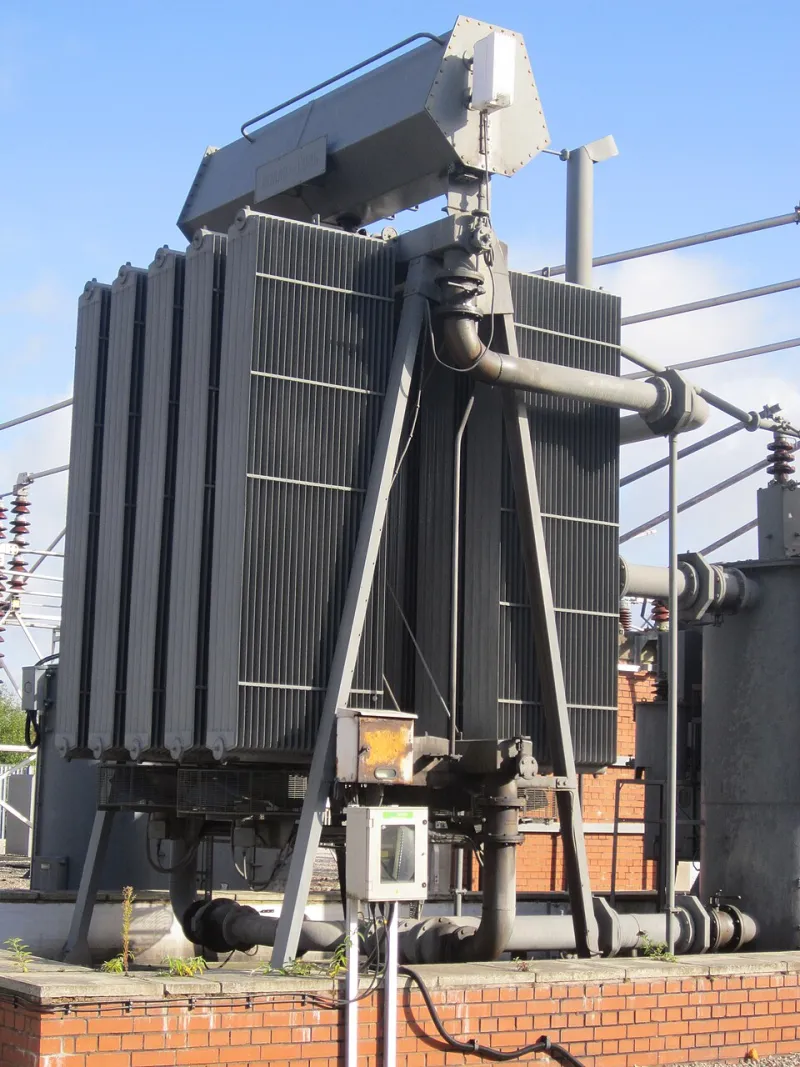
Photo: Karsarspares, CC0, via Wikimedia Commons
Substantial completion is often described as the moment a facility stops being a project and starts being an asset. In practice, that transition is less a ceremonial date than a stress test. Pumps cycle for the first time under load. Breakers see real fault currents. Control modules wake up in a building with actual occupants, actual weather, and actual demand. The first 72 hours can expose weaknesses that no punch list anticipated. Yet on many US infrastructure programs, the spare-parts strategy is still treated as an operations afterthought—something to be resolved after handover, when the owner has already taken possession and the contractor's attention has moved to the next bid.
That sequencing is backward. Critical spares should be specified, priced, and procured as part of the commissioning schedule, not as a warranty-period courtesy. The question is not whether an owner can eventually order a replacement impeller or circuit breaker. It is whether the asset can remain in service while that order is filled. On a water treatment plant in the Midwest, a failed chemical-feed pump with no on-site spare can force a permit-driven shutdown. At a Texas substation, a missing protective relay can delay energization of a data center or industrial load. In each case, the facility is technically complete but operationally idle.
Handover Is a Test, Not a Date
Commissioning tests equipment in isolation and then in systems. It rarely tests the owner's ability to respond to a failure in the first week. That gap is where spare-parts readiness belongs. A commissioning gate for spares would require the project team to demonstrate that the critical-spares list has been approved, the items have been received or are under a documented delivery commitment, and the storage location, preservation requirements, and inventory controls are in place before substantial completion is certified.
This is not a call to stock every component. Overstocking is expensive and often wasteful. The discipline lies in separating true critical spares from ordinary consumables and long-lead replacement parts that can be sourced through normal channels. A critical spare is an item whose failure would stop service, create a safety or environmental risk, or trigger a regulatory violation—and whose lead time exceeds the owner's tolerance for downtime. That definition should be written into the contract, not left to a post-handover discussion.
Defining the True Critical-Spares List
The most common mistake is to build the list from the equipment schedule rather than from the service model. A pump with two installed units and no standby may be critical; the same pump with three installed units and automatic crossover may not be. A breaker that isolates a single critical load may warrant a spare; a redundant breaker in a ring bus may not. The list should be developed with operations, maintenance, and reliability engineers, then tested against failure modes and redundancy.
For US programs, the list should also account for regulatory and utility constraints. A wastewater plant may need a spare blower motor to maintain dissolved oxygen levels; a highway tunnel may need a spare jet-fan controller to maintain ventilation. Data centers and substations may need spare protection relays and network interface modules because utility coordination can add weeks to replacement. The point is to identify the components whose absence would convert a completed facility into an idle one—and to do that before the bid is priced.
Long Lead Times Belong in the Bid, Not the Warranty Period
Critical spares often share the same supply chains as the installed equipment. Custom switchgear, large pumps, and specialized control modules may carry lead times measured in months. If those items are ordered after handover, the owner may wait through the first quarter of operations with no buffer. If they are ordered during construction, they can be delivered, inspected, and stored before commissioning begins.
That timing has commercial consequences. A bid that excludes critical spares may look competitive, but it transfers a known risk to the owner at the worst possible moment. A bid that includes them should make the scope explicit: quantities, approved manufacturers, preservation requirements, storage location, and the delivery milestone tied to commissioning. The goal is not to inflate bids; it is to make the cost of readiness visible and comparable.
A Spares Readiness Gate for Substantial Completion
A practical gate can be built around four questions:
- Has the owner approved the critical-spares list, including quantities and acceptable substitutions?
- Have the items been received, or is there a contractual delivery date that precedes the commissioning window?
- Are storage and preservation requirements met, including climate control, rotation, and security?
- Is there a named owner representative accountable for inventory receipt and maintenance?
These questions can be incorporated into the commissioning plan and the substantial completion checklist. They do not require a new bureaucracy. They require the same discipline already applied to test packs, punch lists, and closeout documents.
Contract Mechanics That Make It Real
The most durable approach is to make spares a pre-bid schedule item with a defined allowance and a clear acceptance standard. The specification should identify the critical-spares list by equipment tag, required quantity, and delivery milestone. The contract should state that substantial completion is not achieved until the spares readiness gate is satisfied, or that a defined portion of retention is held until it is. That mechanism matters because it aligns the contractor's cash flow with the owner's operational readiness.
Owners should also resist the temptation to treat spares as a procurement exercise separate from commissioning. The commissioning team is best positioned to verify that the spare matches the installed configuration, that firmware and software versions are compatible, and that the item has been preserved correctly. A spare that arrives in the wrong revision is not a spare; it is inventory with a false sense of security.
Conclusion
The first 72 hours of service are a poor time to discover that the critical-spares list was never real. US infrastructure owners and delivery teams can close that gap by moving spares readiness into the commissioning schedule and tying it to substantial completion. The result is not a more expensive project by default. It is a more honest one—where the bid reflects the cost of keeping a finished facility in service, and where handover means operational capability rather than merely a set of keys.