Beyond the Ribbon Cutting: Why US Infrastructure Needs Portfolio Discipline
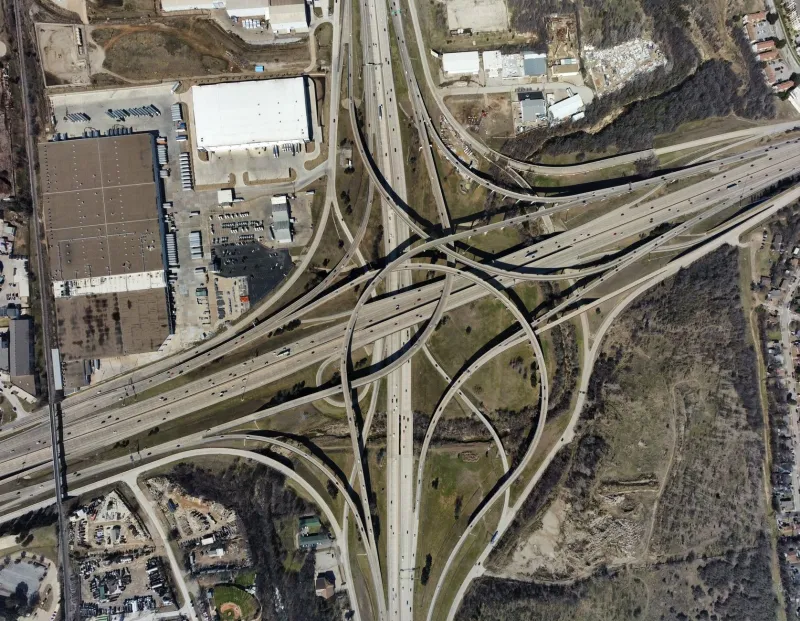
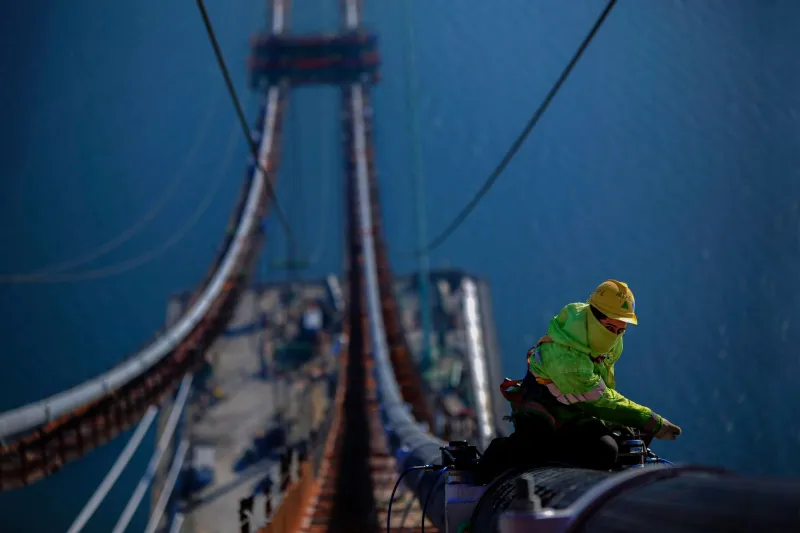
American infrastructure debates have a recurring protagonist: the flagship project. A bridge replacement with a memorable name, a rail extension that promises to redefine a region, a tunnel that becomes a symbol of civic ambition. These projects matter. They can unlock growth, correct historic gaps, and give the public a tangible reason to trust government delivery. But when flagship projects become the organizing principle of investment, owners and agencies can lose sight of a less photogenic question: what combination of projects reduces risk and improves service across the network at the lowest lifecycle cost?
That question is not abstract. In 2026, US agencies are still working through the long tail of federal and state funding cycles, inflationary pressure on construction costs, and a thin pipeline of experienced delivery staff. The temptation is to concentrate attention on a handful of marquee efforts. The result is familiar: schedules slip, contingencies thin out, and smaller resilience projects wait in line because they lack a champion with a press release.
The Cost of Chasing Landmarks
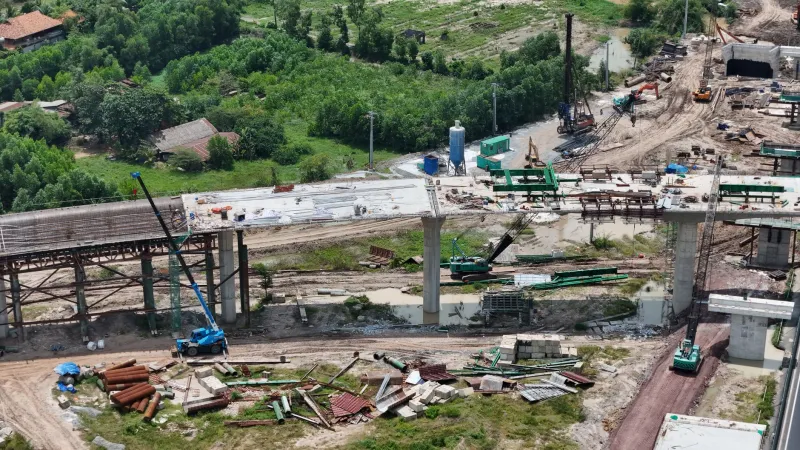
Megaprojects are not inherently wrong. They are simply poor instruments for portfolio management. A landmark project often carries bespoke design, unique permitting, political visibility, and a single point of failure. When it stumbles, the entire program’s credibility stumbles with it. Smaller, networked projects—drainage improvements, substation hardening, bridge scour repairs, interchange safety upgrades, water main replacements—rarely generate the same attention. Yet they often deliver public value sooner, spread risk across geographies, and keep maintenance crews productive while larger procurements move through approval.
Our experience delivering large-scale programs in the Gulf has reinforced a simple discipline: the owner who manages a portfolio, rather than a collection of trophies, makes better trade-offs. That lesson travels. Gulf programs are not directly comparable to US governance, but the underlying principle is: define the outcomes the network must achieve, then choose projects that serve those outcomes in sequence.
Triage Before Design
Portfolio triage should begin before schematic design, not after. Owners can score candidate projects against a small set of criteria: risk reduction, service continuity, network effects, lifecycle cost, and delivery readiness. A project that scores well on visibility but poorly on readiness is not necessarily a priority. A project that fixes a single bottleneck but leaves adjacent assets vulnerable may be a poor use of limited inspection and construction capacity.
Triage also forces an honest conversation about what not to build. That is politically uncomfortable, which is why it is often deferred. But a portfolio without explicit exclusions is not a strategy; it is a wish list. US agencies can borrow a practice from asset-intensive industries: publish the criteria, apply them consistently, and revisit them annually. The goal is not to eliminate ambition. It is to make ambition accountable to a network plan.
Standardize the Repeatable
Standardization is the quiet workhorse of portfolio delivery. Many US infrastructure components are repeated hundreds of times: culverts, low-rise bridges, pump stations, signals, retaining walls, and utility vaults. Bespoke design for each instance consumes engineering capacity and slows procurement. A standardized design library—reviewed for local conditions—can shorten design time, improve constructability, and simplify maintenance training.
Standardization does not mean one-size-fits-all. It means defining a family of approved configurations with clear parameters. State departments of transportation and water utilities have made progress here, but adoption is uneven. The barrier is often cultural and contractual rather than technical. Owners can accelerate adoption by requiring standard designs for specified asset classes, funding the up-front engineering, and rewarding repeatability in procurement.
Stage the Funding, Not Just the Announcement
Staged funding is the third leg of portfolio discipline. A single large appropriation can create a celebration, but it rarely creates a delivery rhythm. Gated funding—released against readiness milestones, right-of-way clearance, utility coordination, and construction mobilization—keeps projects honest. It also protects the portfolio when one project encounters a geotechnical surprise or a permitting delay.
Staged funding should not become an excuse for chronic underfunding. The point is to match cash flow to deliverability, not to starve programs. Owners can publish a rolling multiyear pipeline so contractors can plan crews and suppliers can invest. Predictability is itself a form of resilience.
A 2026 Test for Owners
The test for US owners in 2026 is not whether they can announce another iconic project. It is whether they can explain how their portfolio reduces risk, improves service, and remains deliverable under realistic cost and staffing assumptions. That explanation requires a different kind of leadership: less ribbon cutting, more sequencing. Less celebration of the singular, more stewardship of the system.
Flagship projects will remain part of the American story. They should. But they should earn their place in a portfolio, not define it. The public value is in the network, and the network is built one disciplined decision at a time.